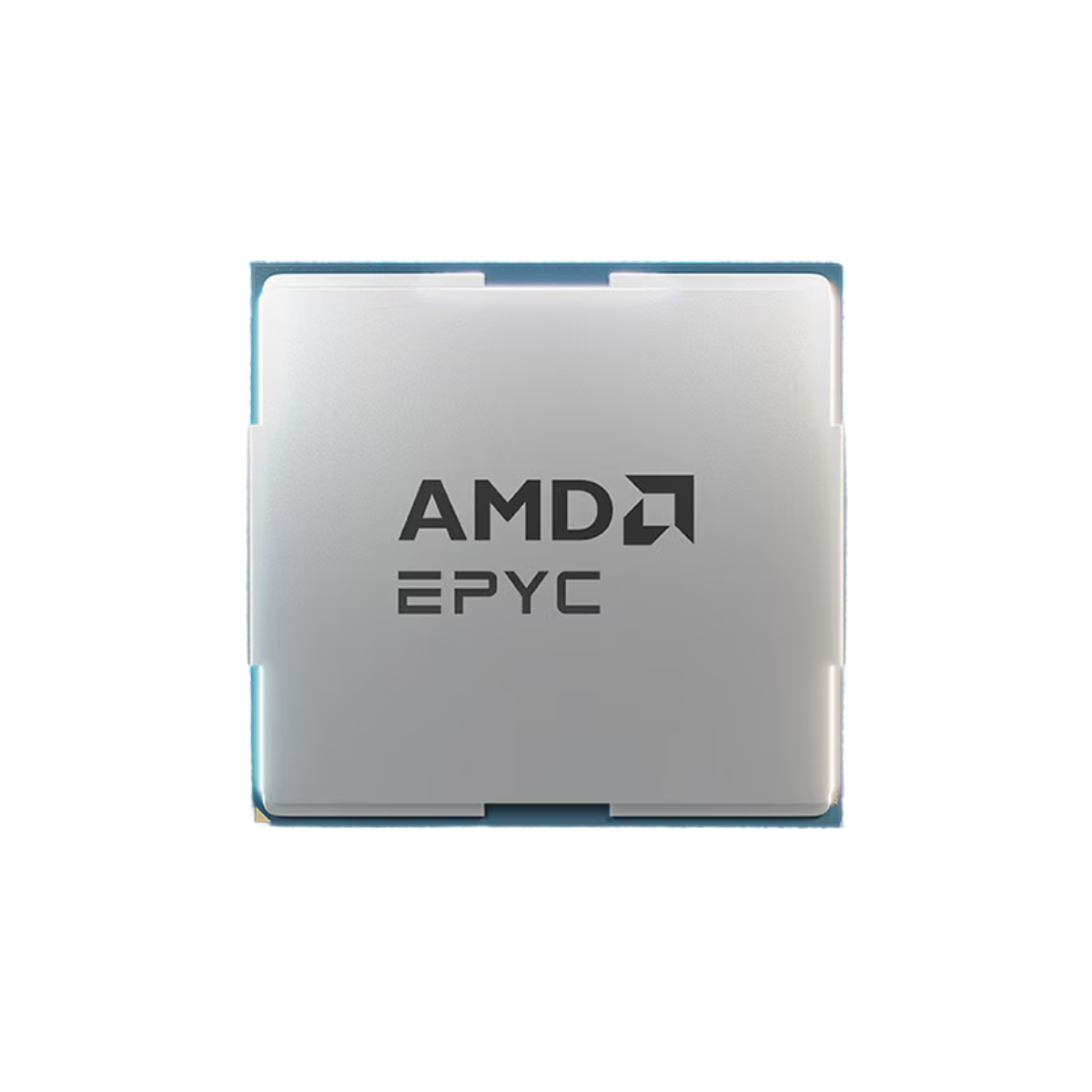
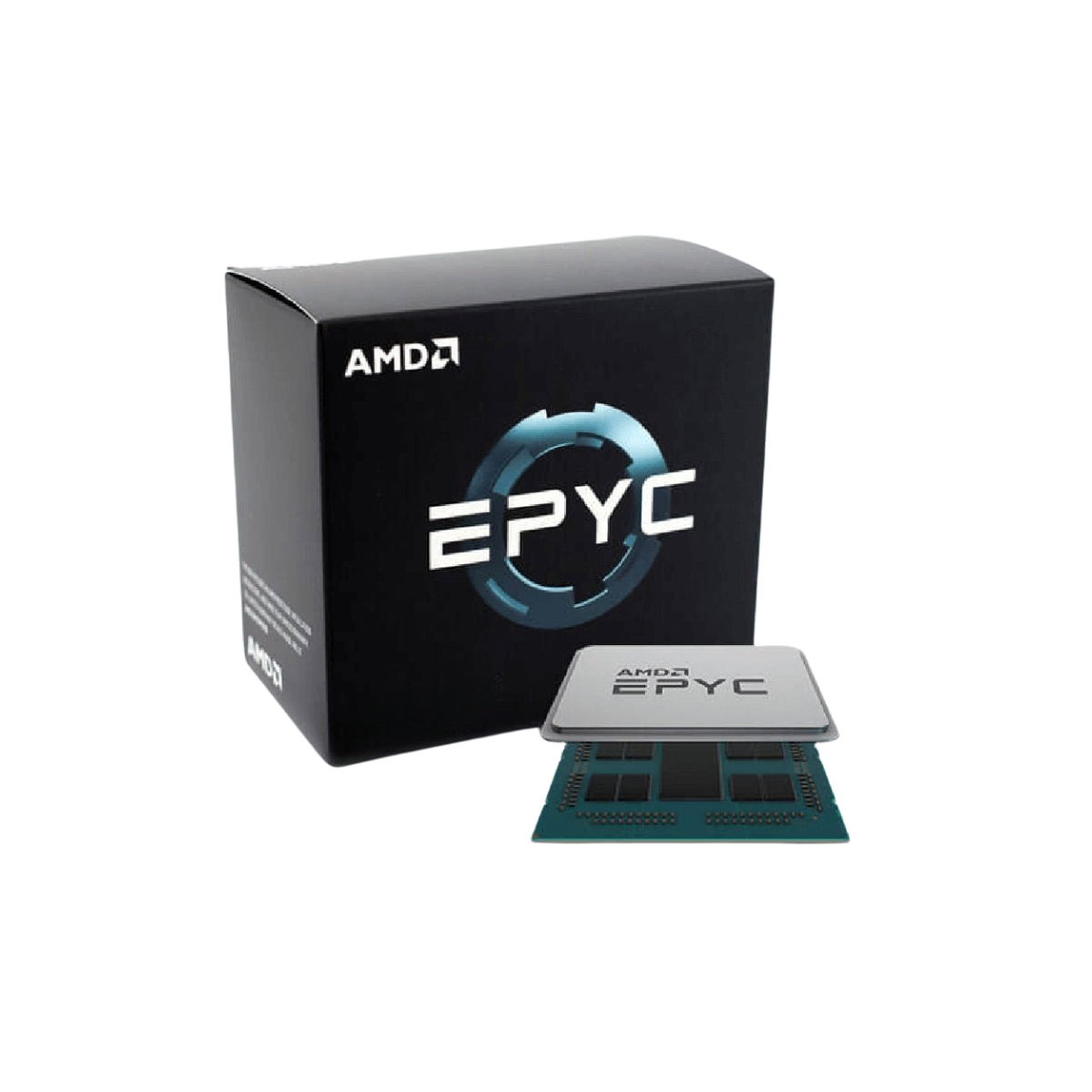
The AMD EPYC 7262 is an enterprise-class server processor from the AMD EPYC 7002 Series, designed for data centers, virtualized infrastructures, and cloud environments that require strong per-core performance and efficient consolidation of workloads. Based on AMD’s 7 nm “Rome” architecture using Zen 2 cores, this CPU delivers a modern feature set with support for advanced instruction sets, hardware virtualization, and robust security features suitable for critical business applications. It is an attractive option for organizations seeking to replace or upgrade older server platforms with a compact yet capable processor that can handle mixed workloads such as web services, application servers, and smaller databases.
Equipped with 8 cores and 16 threads running at a base frequency of 3.20 GHz with boost speeds up to about 3.40 GHz, the EPYC 7262 provides responsive performance for multi-threaded applications while maintaining good energy efficiency. The processor integrates 128 MB of shared L3 cache and supports 8‑channel DDR4‑3200 ECC memory, delivering high memory bandwidth that is important for in-memory processing, analytics tasks, and virtual machines that require fast access to data. With 128 lanes of PCIe 4.0, it offers ample high-speed connectivity for NVMe storage, network adapters, and accelerator cards, allowing server builders to create flexible, I/O‑rich platforms without additional PCIe switches.
The AMD EPYC 7262 also benefits from the broader EPYC platform capabilities, including AMD Infinity Guard technologies that help protect data in use and at rest through features such as secure memory encryption and secure boot support. Its 155 W TDP and efficient 7 nm manufacturing process help balance performance and power draw, making it suitable for dense rack deployments where energy costs and cooling capacity are important considerations. Overall, the EPYC 7262 is a strong choice for entry to mid-range servers, delivering enterprise-grade reliability, security, and scalability in a configuration that fits well in virtualization hosts, infrastructure nodes, and small to medium-sized business environments.