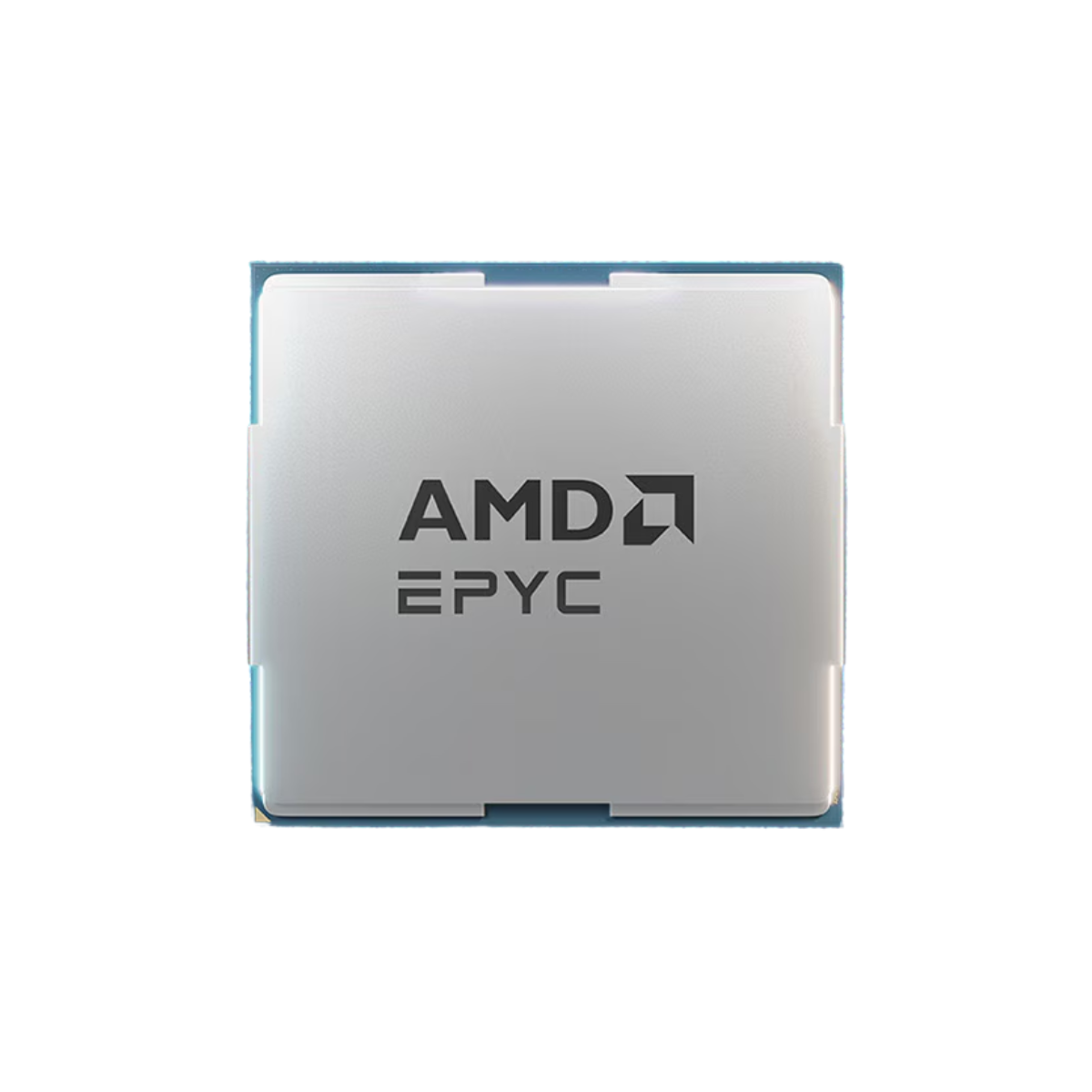
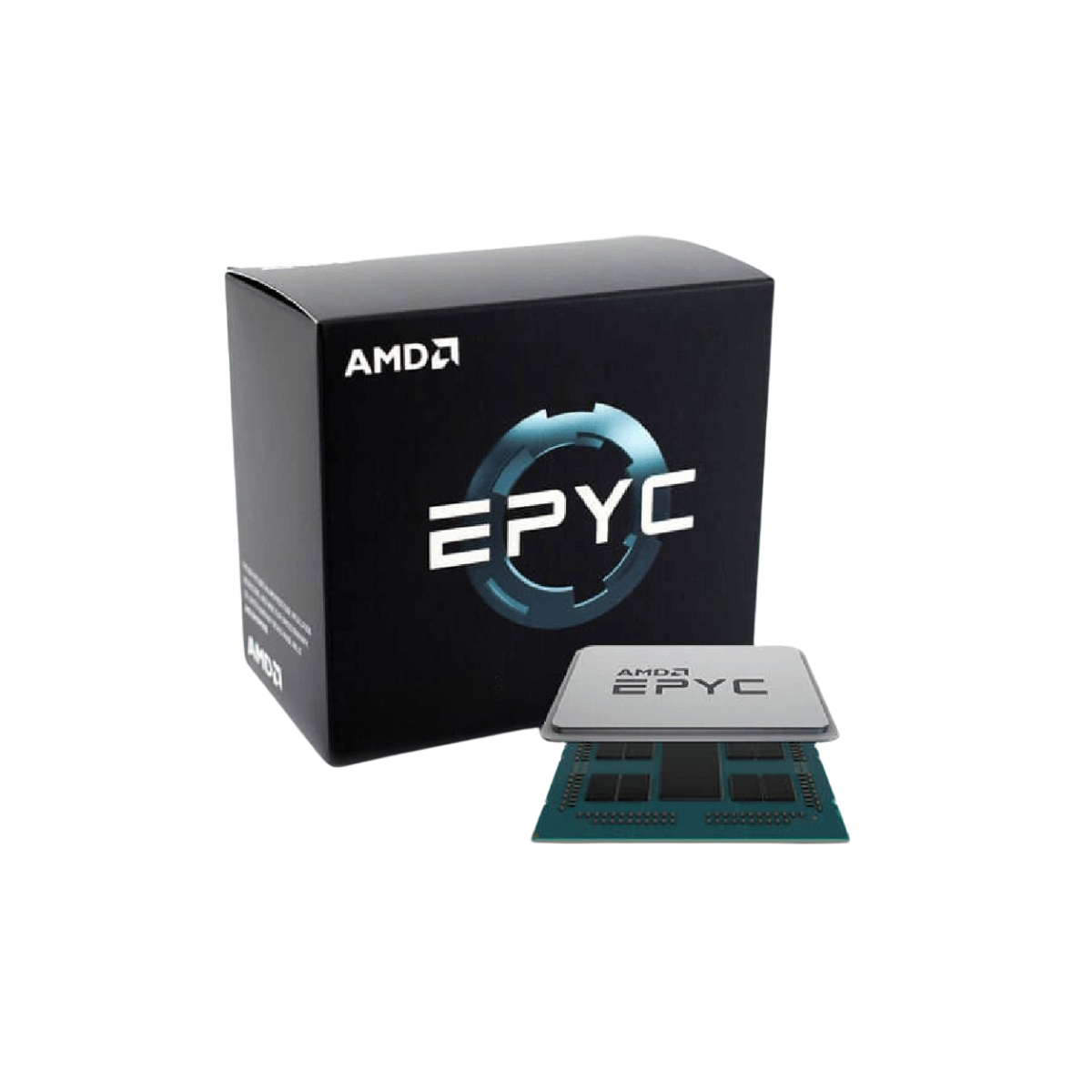
The AMD EPYC 7502 is a 32-core, 64-thread server processor in the AMD EPYC 7002 “Rome” family, designed to deliver high compute density and strong performance for virtualized data centers, cloud platforms, and enterprise workloads. Built on 7 nm Zen 2 architecture, it targets customers who require a balance between core count, clock speed, and power efficiency to support a mix of virtual machines, containers, and data-intensive applications in both single- and dual-socket servers. Its feature set and scalability make it an attractive choice for organizations modernizing their infrastructure, consolidating older servers, or deploying new platforms for hybrid cloud and private cloud environments.
With 32 cores and 64 threads running at a base clock of 2.50 GHz and boost frequencies up to about 3.35 GHz, the EPYC 7502 offers substantial multi-threaded performance for compute-heavy workloads such as databases, analytics, and large application servers. The processor integrates 128 MB of L3 cache and supports up to 4 TB of DDR4‑3200 ECC memory across eight channels, ensuring high memory bandwidth and capacity for in-memory processing, large datasets, and virtualized environments with many guest operating systems. Up to 128 lanes of PCIe 4.0 are available directly from the CPU, enabling extensive connectivity for NVMe storage, high-speed networking, and GPU or accelerator cards without the need for complex external I/O hubs.
The AMD EPYC 7502 also incorporates AMD Infinity Guard, a suite of hardware-level security features such as secure memory encryption and secure encrypted virtualization, which help protect data and isolate workloads in multi-tenant or cloud environments. With a typical TDP of 180 W and the efficiency of the 7 nm process, it allows data centers to increase compute density per rack while keeping power consumption and cooling requirements under control. Overall, the EPYC 7502 is a versatile, enterprise-grade processor that delivers strong performance, scalability, and security for a wide range of server roles, from dense virtualization hosts and cloud infrastructure nodes to large transactional and analytical database servers.